

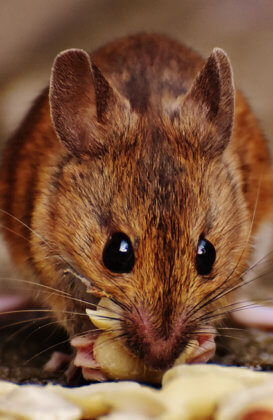
Just like you and me, mice have preferences; there are some things they love and some things they hate. Knowing what mice dislike is one of the best ways to keep them out of your home. By understanding what attracts them and what repels them, you can make your space far less inviting. It takes a little awareness and a few smart changes, but you can easily send these tiny home invaders packing.
Find out what kinds of things mice like and dislike, and how you can use that information to avoid a mouse infestation and keep them outside where they belong.
How to Repel Mice and Keep Them Away
So, you’ve found mouse droppings or other signs of a mouse problem in your home. Unfortunately, these pests can cause damage to your home and spread diseases, so you must act quickly to fix this problem. There are several ways to get rid of mice and prevent them from coming back in the future.
The most important approach to rodent control is to keep a neat and tidy house with all possible entry points sealed off.
Remember, mice can fit through a space the size of a pencil, so be sure to check your baseboards, doors, and windows and seal any cracks or openings. Do the same with any possible entry points outside. Use caulk and steel wool to seal off these openings.
Reducing clutter means there will be fewer places for rodents to hide so it’s important to clean up the inside and outside of your home regularly. If there aren’t crumbs or food sources available and they can’t find a way in, they’ll quickly realize your house isn’t a good home for them.
Combining these preventative measures with other proven deterrent methods will make your home even less appealing to rodents. Here are a few common tactics homeowners often try to help keep mice away:
- Repellents
- Bright lights
- Strong smells
- Loud sounds
Let’s explore the effectiveness of each of these tactics and discuss some other natural solutions that mice hate.
Botanical Repellents
A proven option for keeping mice away is to use a plant-based mouse repellent as an alternative to snap traps, glue traps, bait stations, or poisons. Mice have a strong sense of smell and hate strong, unfamiliar odors, making scent-based repellents especially effective.
Fresh Cab® and Stay Away® Rodent repellents are made from botanical ingredients, including plant fiber and balsam fir oil. These scent pouches contain essential oils that create an odor that is overwhelming to rodents, but pleasant to people. When rodents smell the pouch, they don’t want to come anywhere near it and will avoid treated areas.
By simply putting the pouch in your home, garage, basement, attic, or other problem areas, you will deter mice effectively, without the danger of adding harmful chemicals to your home.
Will Keeping Lights on Keep Mice Away?
Although mice aren’t exclusively nocturnal, they tend to be more active at night for a few reasons. They have poor eyesight and are sensitive to bright lights, which means bright or flashing lights can help keep mice away from your home, but it shouldn’t be the only deterrent you use. Their survival instincts also cause them to avoid larger animals and being active at night in the darkness helps protect them from predators, people, and other dangers.
Keeping the lights on might make mice think twice, but it works best as part of a bigger prevention plan to keep them away for good.
What Smells Do Mice Hate?
Mice dislike strong, fresh odors. They tend to overwhelm rodents and their sense of smell, which scares them off. They avoid danger by relying on their keen sense of smell, which makes up for their weak eyesight. They rely on this sense to find food, detect danger, and follow scent trails as a way of navigation.
Some strong scents that mice hate and people often use as a natural mouse repellent include:
- Lavender – Mice can find the strong floral scent of lavender overwhelming and unpleasant.
- Peppermint oil – The potent aroma of peppermint oil and similar essential oils can irritate a rodent’s sensitive nose.
- Vinegar solutions – The sharp, acrid smell of vinegar solutions can cause pests to avoid areas where it is used.
- Cinnamon – The strong, spicy scent of cinnamon can overwhelm a rodent’s strong sense of smell.
- Cloves – The intense, spicy fragrance of cloves can be irritating to pests and drive them away from treated areas.
- Eucalyptus oil – The menthol-like aroma of eucalyptus can be too strong for these little critters to tolerate.
- Garlic – Mice dislike the powerful aroma of garlic, which can mask food odors and discourage exploration.
- Used coffee grounds – The bitter smell of coffee grounds may help mask scent trails and make it harder for mice to navigate.
These smells can work when used by themselves, but there aren’t clear instructions about how much to use, how to apply the scents, how often reapplication is needed, or how long the scents will remain effective. The strong smell of peppermint and other oils can quickly disappear when simply applied to a cotton ball (a common approach). This means the results of these methods can be inconsistent and inconclusive.
That’s why we recommend Stay Away® Rodent, which utilizes these scents to effectively keep mice away and provides continuous protection for 30 days.
Placing scented dryer sheets around the house is another common DIY solution; however, the smells don’t last long, and the results are inconsistent.
The scent of another animal, such as a cat, can sometimes scare mice away. Again, their goal is to avoid danger, so the smell of a cat or their litter box may cause the pest to go elsewhere. The scent of another house mouse may also alert them to avoid an unfriendly neighbor.
Lastly, contrary to what cartoons may have led you to believe, mice don’t actually like cheese very much. If you think about it, cheese is quite stinky and the strong smell may actually keep them from coming close to a mousetrap.
Do Loud Sounds Repel Mice?
Loud sounds suggest danger, which these pests want to avoid. Mice prefer to be alone, away from humans and animals, so being around a lot of noise is not ideal.
High-pitched noises may affect rodents, but research has shown the effects are often overcome within a day or so because the rodents adapt to the sounds, regardless of whether the frequency is variable, intermittent, or random.
There are sound-based deterrents available, however, you will need a consistent power source for these to work properly and other animals, such as household pets, may find this type of mouse control method irritating. Consumer reviews indicate that not all of these products work as advertised, and they are not widely recommended by pest control professionals despite decades of availability. Look for an EPA establishment number on the label to ensure the product complies with EPA device regulations.
What Attracts Them?
Now that we know mice hate strong, fresh smells, loud noises, bright lights, and anything that signifies danger, it’s important to consider what may attract them to your home.
These critters are omnivores and can eat almost anything. Indoors, they are attracted to food pantries, uncovered garbage cans, stored seeds, and pet food. They like to eat 15-20 times each day, meaning they must nest near a reliable food source. They are constantly chewing electrical wires, books, magazines, wood, cardboard, and plastic because it feels nice on their teeth, which never stop growing.
Cleaning up possible gnawing and nesting materials, as well as any cluttered areas where they may find shelter, will reduce the chances of an infestation. Storing food in airtight containers and using trash cans with a fitted lid will also help prevent the little pests.
In favorable conditions, such as spring and summer when the weather is warm and food is abundant, these pesky pests will live mostly outdoors because nature can satisfy all their needs. When the temperature drops during fall and winter, they look for shelter in homes, garages, farm buildings, stored vehicles, and other places that offer protection from the elements.
A Few Facts About The Life Of Mice
These critters can live up to two years in captivity but typically lead shorter lives in the wild. They can reproduce when they are just two months old. A female can give birth to a litter every 6-8 weeks; each litter averages between 2-12 baby mice. This means if you notice mouse activity in your home, it can quickly lead to a big problem.
Rodents are motivated by survival instincts, meaning they will do whatever they can to find food, water, and shelter. Knowing these facts about mice will help homeowners understand tactics that will keep them out of your home.
Keep Mice Away With Help From EarthKind
Pest management doesn’t need to be difficult and it certainly doesn’t need to be harmful for you, your family, your pets, or the mice themselves. Avoid a costly exterminator and become a DIY professional pest control expert with the help of EarthKind.
For the best repellent option once you’ve found signs of mice, check out Stay Away® Rodent or Fresh Cab®, plant-based solutions that repel mice without harming them. Shop online or find the retailer nearest you that carries EarthKind® products. Our repellents and deterrents are backed by a 100% money-back guarantee!
Source link

.jpg)


![Paper Hand Towel [1 Roll] Natural Brown [8″ x 350 ft] 1 Ply Hardwound Universal 100% Recycled Fiber Compatible with Tork Dispensers Restrooms Kitchen (Natural, 8″ x 350 ft)](https://ecologicnomad.com/wp-content/uploads/2025/09/813WUdzUiWL._AC_SL1500_-300x300.jpg "Paper Hand Towel [1 Roll] Natural Brown [8″ x 350 ft] 1 Ply Hardwound Universal 100% Recycled Fiber Compatible with Tork Dispensers Restrooms Kitchen (Natural, 8″ x 350 ft)")