


As the weather cools, we trade in our light cotton tops for the cozy wool sweaters we tucked away last spring. But when it’s time to bring them back out, some of us face a dreaded surprise — an uninvited guest that spent the summer lurking in our dark closets and damaging some of our favorite clothing items.
Don’t let a few tiny pests ruin your favorite pieces. Learn how to protect wool and silk from moths with smart prevention tips and simple, natural treatments that actually work.
Do Moths Eat Wool and Silk?
Yes, moth larvae feed on wool and silk fabrics. While adult moths don’t eat natural fibers they lay eggs that hatch into the larvae responsible for the damage. If this occurs in your closet, the larvae will begin feeding on fabrics such as wool and silk.
Moths don’t really mean to destroy your cold-weather wardrobe, and they’re not by nature an angry group of insects. It’s just that they prefer to feed in dark, undisturbed spaces, and those wool clothes and silks you’ve stored away contain the protein keratin, which means these types of clothing provide the perfect menu.
The two common culprits are webbing clothes moths (Tineola bisselliella) and the case-bearing clothes moth (Tinea pellionella).
7 Tips to Keep Moths Away From Wool and Silk Clothes
Would you like to protect your wool, silk, and even cashmere clothing and the hard-earned cash you spent on these pieces? Follow these tips, and moths will be looking for a new place to hide.
- Freeze Your Favorite Garments
Protect delicate clothing by giving it a deep freeze before storing it away for winter. Place your favorite wool sweater in a plastic vacuum bag, take the air out, and store it in the freezer for a week. The cold temperature kills any hidden moth eggs or larvae, making this an effective option when high-heat washing isn’t possible. - Dry Clean Sweaters Before Storing
Moth larvae love what you leave behind, so don’t let them take a bite out of your clothing budget. They like to feed on the dry skin that may have flaked off the last time you wore your favorite sweater or the hair that has collected on garments.Be sure to either wash your sweaters and silks or take them to the dry cleaners before you store them. You may like a freshly cleaned sweater, but these pests prefer the ones you’ve worn a few times. - Organize and Clean Clothing Drawers
When was the last time you gave those dresser drawers a good cleaning? Moths like dust and dirt just as much as they like wool. A dirty closet is like an open invitation to make themselves at home.Spray the insides of your dresser or wardrobe with a vinegar-based cleaner. Then meticulously hand wash the drawers with a warm soap solution. Be sure to remove the drawers before you begin cleaning. The gap between the wall of the wardrobe and the shelves is one of places these pests love to hide. - Use Proper Storage
Some people try using pheromone traps to keep these pests out. But the bad news is — only the male moths are attracted to them. The female moths just go on about their business, laying eggs in clothing.If you don’t have time to get to the cleaners, moth-proof your sweaters before storing them away by sealing them in plastic bags, garment bags, or plastic airtight containers. They will work wonders in not only deterring moths from damaging your wool and silks but other pests won’t be able to get in as well.Another storage option to consider is a cedar chest. Cedarwood allows your textiles to breathe, the aroma works as a natural pest repellent, and your closet will smell lovely! - Use a Plant-Based Moth Deterrent
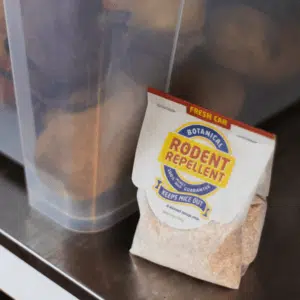
Place a pouch of Stay Away® Moths in the drawer or storage area next to the clothing items you want to protect. You can also hang an EarthKind pouch pod inside your closet with your clothing hangers.This botanical moth deterrent works by using a mix of essential oils and plant fibers to create an odor that repels moths, but is pleasant to humans. The scent disrupts how moths find food sources and places to lay eggs. Stay Away Moths will keep your pretty sweaters and silks safe for yet another season. - Natural DIY Solution
These pests may love your cozy sweaters, but they dislike certain natural scents. To help prevent moth infestations, a common DIY solution is to place cloves, lavender, or dried orange peels in a small sachet bag and keep it in your closet or dresser drawers.The fragrance can help deter moths, though its strength fades over time and effectiveness can vary depending on the infestation level and freshness of the ingredients. - Keep Them Away From Your Couch
It’s not just your cozy sweaters they’re after, Clothes Moths like your comfy couches and furniture, too. They’re just as likely to snuggle up on your sofa, armchair, or carpet. If you see signs of an infestation, use a hair dryer on the highest heat setting and slowly move it over the fabric. The hot air will quickly take care of unseen eggs. Also, consider vacuuming your couch more frequently. A vacuum cleaner can help suck up any remaining moth eggs and prevent an infestation from getting out of control.All it takes is one sneaky pest to start a full-blown infestation. Moths prefer dark, undisturbed areas to lay their eggs, so keeping closets, pantries, and furniture clean and protected is key to keeping your home moth-free.
Prevent Clothes Moth Infestations with EarthKind
From freezing your favorite sweaters to smart storage habits, these simple steps can help keep clothes moths away for good. For added protection, use Stay Away® Moths, a botanical deterrent made to safeguard your wool, silk, and other fabrics from damage.
Moths aren’t the only pests that can do expensive damage. As the cold weather sets in, mice and insects will be making their best effort to find a warm place to spend the winter months.
EarthKind’s Stay Away® pest control products are designed to keep them all out. Each formula targets a specific pest, helping you stop current problems and preventing future infestations without using harmful chemicals.
Source link



![Paper Hand Towel [1 Roll] Natural Brown [8″ x 350 ft] 1 Ply Hardwound Universal 100% Recycled Fiber Compatible with Tork Dispensers Restrooms Kitchen (Natural, 8″ x 350 ft)](https://ecologicnomad.com/wp-content/uploads/2025/09/813WUdzUiWL._AC_SL1500_-300x300.jpg "Paper Hand Towel [1 Roll] Natural Brown [8″ x 350 ft] 1 Ply Hardwound Universal 100% Recycled Fiber Compatible with Tork Dispensers Restrooms Kitchen (Natural, 8″ x 350 ft)")