


The only thing worse than finding a rat in your house is NOT finding a rat that has died in your house.
An ‘out of sight, out of mind’ mantra might have you thinking that as long as you don’t see any of these rodents, you’ve got nothing to worry about. Unfortunately, household pests don’t just disappear. If a rodent dies somewhere inside your home, the lingering smell will be a very unpleasant reminder. These DIY steps along with natural pest prevention tips can help you stop this stinky problem in its tracks!
How to Identify Dead Rat Odor
If there’s a dead mouse or rat somewhere in your home, you will almost always be able to tell from the pungent smell. Once the dead rodent begins to decompose, it will start to produce a very strong, unpleasant smell. The foul smell is similar to that of a dead animal smell you might notice from roadkill. As the decomposing body breaks down, it releases gases like methane and sulfur compounds, creating a musty, rotten odor that worsens in warm or humid conditions.
First, you will want to locate the dead rodent. Use your nose to follow the unpleasant scent, and also look for signs of the pests around your home. Make sure you check areas that rodents like to hide in like crawl spaces, wall voids, boxes, and kitchen cabinets. Once you have identified the location, it’s time to start the removal process.
How to Get Rid of a Dead Rat Smell
You can get rid of these pests, and the dead rat or mouse smell they leave behind, without resorting to harsh chemicals or dangerous pest control methods. If you locate the smell and discover a current infestation happening, you will want to work to clear out any existing infestation.
Once that has been done, review CDC guidelines for removing dead rodents and cleaning up after them. This will help protect yourself against diseases carried by these pests like Hantavirus. The CDC recommends placing the dead rodent inside of a plastic bag, sealing it, and then placing that inside of another plastic bag.
Make sure that if there are any remains, find and remove them. Also be sure to wear protective rubber gloves and follow the proper instructions for cleaning up mouse droppings.
After removing the rodent, here are some effective ways to remove the dead animal odor:
Ventilate the Area
Open windows and doors to allow fresh air to circulate. Use fans to increase airflow and help dissipate the smell.
Clean and Disinfect the Area
Use a mixture of bleach and water (1:10 ratio) or a commercial disinfectant to clean the area thoroughly. Pay special attention to where the rodent was found, including floors, walls, or surfaces the body may have touched.
Steam Clean or Replace Contaminated Items
Use a steam cleaner to deep-clean soft surfaces like rugs and furniture. Dispose of any porous materials (e.g., carpet padding, insulation) that may have absorbed the smell if you can’t get it clean.
Neutralize the Odor
There are a couple of odor neutralizers you can try at home including:
- Baking Soda: Sprinkle it on carpets, upholstery, or floors, let it sit for a few hours, then vacuum.
- Vinegar: Place bowls of white vinegar around the area to absorb the smell.
- Activated Charcoal: Use odor-absorbing charcoal bags or bowls to trap the smell naturally.
- Odor Eliminators: Enzyme-based cleaners are excellent for breaking down organic odors. Look for products designed to neutralize pet or biological odors. Essential oils, such as tea tree or eucalyptus, can also help freshen the air without harsh chemicals.
Dehumidify the Space
A dehumidifier can help dry out the area and prevent moisture from amplifying the smell of a dead rat or mouse.
Use Air Purifiers
HEPA-filter air purifiers with activated carbon filters can help remove airborne particles and odors.
Natural Odor Absorbers
Leave bowls of coffee grounds, citrus peels, or essential oil diffusers in the area to cover up or absorb odors naturally.
What Attracts Them in The First Place?
Rats are creatures of opportunity; they’re not out to get you. They just want a safe place to call home with plenty of food to eat. Most rats and mice have poor eyesight, but a highly developed sense of smell. They will use their sense of smell to find food from great distances and to detect danger before entering new territory. Homes and buildings that leave garbage bags out or in uncovered cans are inviting to them because this is an easy food source.
Contrary to the idea that a bigger animal will scare a rat away, pests are also attracted to homes with pets because they will happily eat dog and cat food.
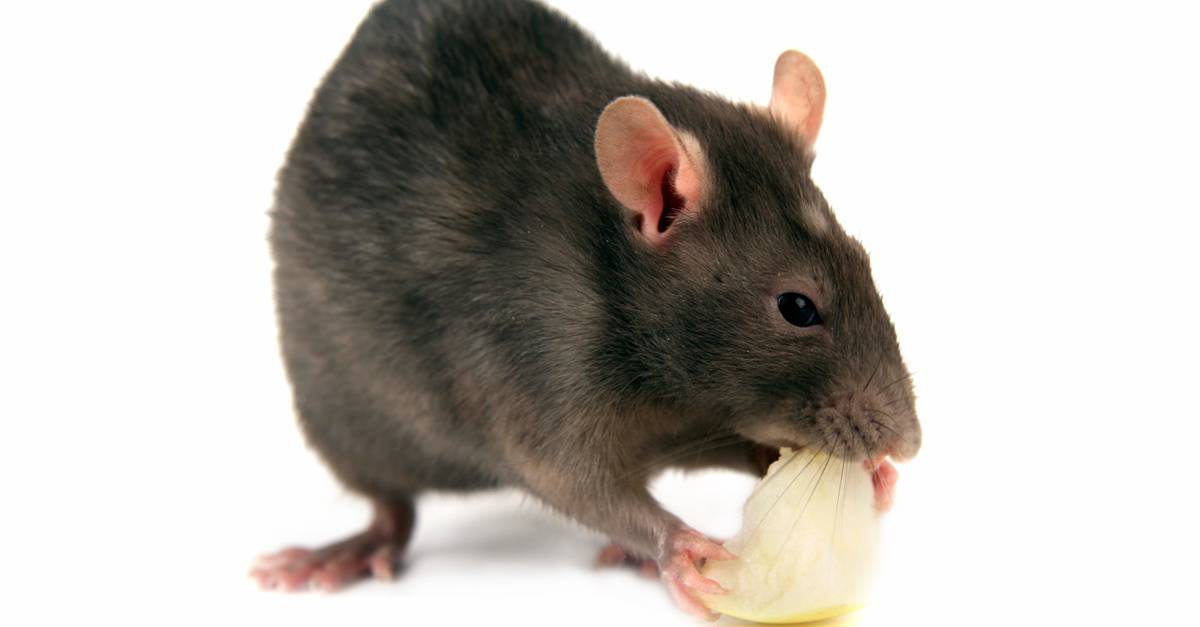
Cluttered areas offer plenty of hiding places for pests, so garages, storage spaces, and other places where they can find cover are quickly infested — by the time you realize there is a problem, these intruders have already made themselves at home and begun breeding. Since they only need an opening about the size of a quarter to enter a home or building, apartment complexes, older construction, and warehouses are easy targets.
How to Keep Rodents Away
If you do not create the opportunity for rat infestations in your home, you may never see one or have to worry about other problems linked to them like rodent-related diseases, property damage, or foul odors. The following three steps will limit the prospects for opportunistic rats and other household pests:
- First, clean up the things that attract rodents like food, water, and clutter. Store open food packages, leftovers, and pet food in air-tight containers. Only set out dog or cat food and water when feeding your pet instead of leaving full dishes out all the time.
- Next, seal up potential entry points. Rats only need a half-inch-sized opening to get inside. Block entryways by covering chimneys and dryer vents with mesh metal grates. Check for holes, gaps or cracks along a building’s foundation, doors, and windows; fill any openings with steel or copper wool and cover with silicone caulk.
- Finally, pouch up by placing Stay Away® Rodent repellent pouches anywhere needing protection from rats or mice. EarthKind’s botanical, scent-based repellent overwhelms the sense of smell these critters rely on with a unique blend of essential oils that most people enjoy. Rodents will avoid any area where the fragrance is present.
If you’ve recently noticed a dead rodent smell in your home, it’s important to locate the source of the problem and take the proper steps toward removal and preventing future infestations from occurring. Shop EarthKind products online or in-store today to keep mice, rodents, and other pests away.
Source link

.jpg)

![Paper Hand Towel [1 Roll] Natural Brown [8″ x 350 ft] 1 Ply Hardwound Universal 100% Recycled Fiber Compatible with Tork Dispensers Restrooms Kitchen (Natural, 8″ x 350 ft)](https://ecologicnomad.com/wp-content/uploads/2025/09/813WUdzUiWL._AC_SL1500_-300x300.jpg "Paper Hand Towel [1 Roll] Natural Brown [8″ x 350 ft] 1 Ply Hardwound Universal 100% Recycled Fiber Compatible with Tork Dispensers Restrooms Kitchen (Natural, 8″ x 350 ft)")