Whether you’ve spotted gnaw marks, droppings, or any other signs of a rat problem around your home, it’s time for immediate and effective action. Rats and other rodents spread diseases that are harmful to humans and pets, and they can cause serious and costly damage to your property.
Because there are so many types of repellents and control methods available, you want to find one that actually delivers results. You want confidence that the pest control option you invest in will effectively keep rats out of your home for good.
To make your decision easier, we’ve put together a comparison chart that explains how each type of rat control method works, along with the pros, cons, and overall effectiveness of each, to help you find the best rat solution for your home.
|
Fresh Cab |
Peppermint Oil |
Moth Balls |
Poison |
Ultrasonic |
| Biodegradable |
Yes |
Yes |
Yes |
No |
No |
| Kids/Pets |
Safe |
Safe |
Toxic |
Toxic |
Some may be harmful to pet’s hearing |
| Disposal |
Simply remove |
Simply remove |
Gloves & mask |
Gloves & mask |
Simply remove |
| Environment |
Safe |
Safe |
Toxic |
Toxic |
Rodents adapt to sound |
| Meets Fed. EPA Repellency Standards |
Yes |
No |
No |
Yes |
No |
| Made in USA |
Yes |
Unknown |
Unknown |
Unknown |
Unknown |
5 Rat Control Methods Explained
Each of the common home remedies and products listed above is meant to keep these pests away, but as you can see, effectiveness and safety vary. Each method has its benefits and drawbacks. Below, we go into further detail about each rat deterrent method and some additional preventive measures to consider.
1. Botanical Repellents
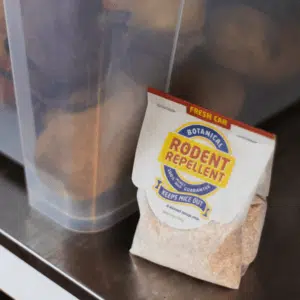
The best, most effective rat repellent option is a scent-based deterrent. A botanical repellent uses plant-based materials to help keep these pests from entering the property. Certain strong scents, such as peppermint or balsam fir, are offensive to these pests due to their great sense of smell. A product containing the right combination of these natural ingredients and essential oils is an effective and safe way to keep rats away.
Fresh Cab Rodent Repellent is an example of a plant-based deterrent that’s made in the USA with 80% U.S. farm-grown ingredients. It contains a powerful combination of non-toxic ingredients, including corn cob chips, herbal extracts, balsam fir oil, and plants, and is guaranteed to repel rats and other rodents. It works by creating a scent that’s strong enough to keep rats from entering an area while driving out those already inside. The purpose of the pouch is to get rid of rats instead of killing them, which helps to preserve a balanced ecosystem.
In rigorous testing, the product has been shown to be highly effective at keeping rats out, more so than other competitors.
2. Peppermint Oil
Peppermint oil is a popular DIY option often used as a natural rat repellent. While this method is environmentally safe, its effectiveness is somewhat inconclusive. The scent tends to wear out rather quickly, and the oil typically needs to be replaced every one or two weeks.
The common approach with this method is to apply peppermint essential oil to cotton balls and then place them in areas where pest activity is seen or expected. Other natural repellents sometimes used instead of peppermint oil include cayenne pepper and citronella.
3. Moth Balls
Mothballs are an inexpensive and easy-to-find option, but they can be toxic to children and pets and have not been proven effective at repelling rats or other rodents
4. Rat Poison
Using poison as a rat control method comes with several risks. This method is used to kill rats, which means a dead rodent could be lying around your home and will need to be disposed of properly. This can become an issue if the rodent dies in a place that’s hidden or hard to reach, and it can also produce a very unpleasant smell.
More importantly, rat poisons contain chemicals that can be extremely dangerous if accidentally ingested by humans or animals. For these reasons, we don’t recommend using pesticides or rat traps.
5. Ultrasonic Pest Repellers
Ultrasonic sound-based rat deterrents work by emitting high-frequency sound waves that are supposedly inaudible to humans and pets but drive rats away. These electronic devices are either plug-in or battery-operated, so they require a source of energy to work. You must use multiple devices, as they do not transmit through walls into other rooms or around furniture.
Ultrasonic repellents are beneficial because they require no poisons and do not put the user in contact with potentially dangerous rats. Most people do not realize they are installed on the property because they cannot hear the sound, but this also means you may not know when the product stops working.
The theory behind ultrasonic devices makes sense; unfortunately, the actual performance of these repellents is spotty. Some people report excellent results, while others find they do nothing to keep the critters at bay.
Some have also reported that they hear a “humming” or “chirping” sound from the device. Animals may be bothered by it as well, making this repellent a problem in barns or around pets.
Additional Prevention Measures
Even the best rat repellents work more effectively when paired with good home maintenance and exclusion tactics. These additional steps help prevent future infestations and make your home less inviting to rodents.
Maintain a Clean Home
One of the best and easiest ways to help prevent a rat infestation is through regular home maintenance. Good pest management starts with removing food sources, sealing trash bins, and cleaning up crumbs or pet food that might attract rats or other pests. Store dry goods in airtight containers, and avoid leaving standing water in sinks or pet bowls overnight.
Keeping your home clean and organized doesn’t just help deter rats; it also discourages other unwanted pests like roaches, ants, and spiders from settling in. When paired with a proven rat repellent like Fresh Cab, these small habits create a long-term defense against rodents and other household critters.
Block Entrances
You can help keep rats out of your home by completely blocking their entrance to the property, a process known as exclusion. Buildings can be rat-proofed if all holes larger than ½ inch are closed. The best method of filling gaps and holes is placing steel wool in the opening and then using silicone caulking to seal it up. Spray foam is not recommended, as rodents can chew through this material.
Below are some of the most common areas where rats find their way inside homes and buildings:
- Basements: Rats enter through cracks in foundations, floor drains, or utility openings.
- Garages: Easy access under doors or through vents makes garages ideal for nesting.
- Kitchens: Food smells and water sources attract rats through gaps behind appliances, cabinets, or plumbing lines.
- Attics: Rats can climb along walls or utility lines to reach attics.
- Crawl spaces: These undisturbed areas offer shelter and easy entry through vents or loose siding.
- Laundry rooms: Openings for dryer vents or utility hookups can serve as convenient entry points.
Completely sealing every entry point isn’t always possible, especially in older homes where rats can slip in through utility lines or plumbing. For the best results, combine exclusion with a proven repellent to keep these pests out and prevent future infestations.
EarthKind Makes Rodent Control Simple and Effective
As a homeowner, if you stumble across this problem on your property, it’s important to figure out an effective rat repellent solution quickly. The longer you let it go, the worse the problem can get.
Once the pests are gone, it’s important to stay proactive about prevention. Keep your home clean, seal entry points, and continue using a repellent to maintain long-term protection.
Fresh Cab® and Stay Away® Rodent repellents use proven, plant-powered ingredients that repel mice and rats effectively from treated areas. The pouches are ready to use and offer continuous protection for 30 days. Simply place and replace for continuous defense. Try them today and keep your home rodent-free!


.jpg)

![Paper Hand Towel [1 Roll] Natural Brown [8″ x 350 ft] 1 Ply Hardwound Universal 100% Recycled Fiber Compatible with Tork Dispensers Restrooms Kitchen (Natural, 8″ x 350 ft)](https://ecologicnomad.com/wp-content/uploads/2025/09/813WUdzUiWL._AC_SL1500_-300x300.jpg "Paper Hand Towel [1 Roll] Natural Brown [8″ x 350 ft] 1 Ply Hardwound Universal 100% Recycled Fiber Compatible with Tork Dispensers Restrooms Kitchen (Natural, 8″ x 350 ft)")