

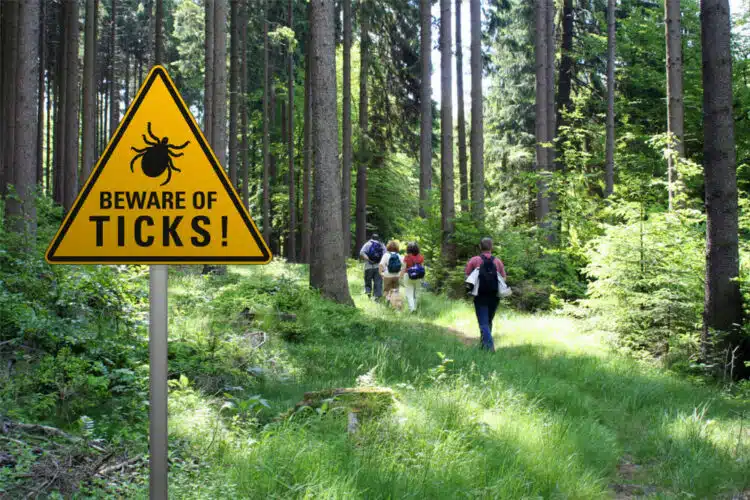
Ticks – eww, right? These unsettling little hitchhikers might make you think of Lyme disease, or maybe you see them as parasites that mostly bother pets. But whether or not they’re on your mind, ticks are likely thinking about you, especially if you spend time outdoors.
Ticks can be found in many different settings, but are most commonly found outside in grassy or wooded areas. Being out in nature means a higher chance of encountering these blood-sucking bugs. They are more than just a nuisance. Ticks are disease carriers with a surprisingly determined life cycle. In this article, we’ll walk through each life stage and share tips on how to prevent them from biting you.
Tick Lifespan: What to Know
So, how long can ticks live? That depends on the species and environmental conditions. According to the CDC, most ticks live anywhere from three months to about two years. The Blacklegged tick, otherwise known as the Deer tick, typically lives around two years.
Male ticks normally die after mating and a female will die after laying her eggs. While their lifespan isn’t long by human standards, it’s more than enough time to find multiple hosts and potentially spread illness.
Life Cycle of a Tick
During that period of time, these pests go through four life stages:
To survive and move from one stage to the next, a tick must feast on an unsuspecting animal’s blood. If they don’t, they will die before making it to the next phase. Each feeding stage is a chance for them to spread tick-borne diseases like Lyme disease, Rocky Mountain spotted fever, and babesiosis.
Stage 1: Eggs
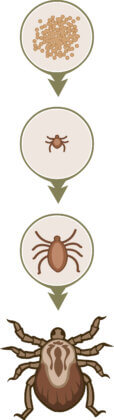
Like all living, breathing things, ticks begin in egg form. McHenry County, IL Health Department says that adult female ticks will typically lay eggs in the early spring. The eggs hatch as the temperature warms. The egg to hatch period can take up to 60 days. Once hatched, they must find a blood meal to survive.
Stage 2: Larva
In this unique stage, the tick has six legs instead of the usual eight. The larva are tiny and can be hard to detect. Often, they will look for mice and other small animals to get their first meal. After the larva feeds, it will lie dormant through the winter and molt into the next phase.
Stage 3: Nymph
When the tick reaches the nymph stage, the average size (while bigger) is STILL less than 2 mm. In visual terms, that’s around the size of a poppy seed! In this stage, they add two more legs, bringing them to a total of eight. During this time, they tend to be more active in late spring through the summer months. Once a new host is found, and the tick gets its meal, it will once again molt to become an adult.
Stage 4: Adult
The adult stage is the final stage of the tick life cycle. At that stage, adult ticks can typically be found outdoors on tall grass or shrubs, waiting for their next victim. They will attach themselves to a different host, an animal or person, that brushes against the grass where they are lurking. They’ll feed once more, then mate, and the females will lay eggs, starting the cycle all over again.
The stages and lifespan can vary a bit based on the species of tick. A few different species you’re most likely to run into in the United States include the American Dog Tick, the Blacklegged Tick, and the Brown Dog Tick.
Keep your home pest free with simple, effective solutions. Subscribe and save!
How Do Ticks Get On You?
Ticks are attracted to any host that will bring them their next meal. Whether human or animal, they are looking for blood so they can make it to the next stage of their life cycle. They travel along the ground and climb dense brush or leaves waiting for an animal or human to walk by. Since they don’t jump or fly, they rely on tall grass, weeds, and low-hanging vegetation to hitch a ride when you brush past.
How to Protect Yourself
Ticks aren’t born with pathogens, but they pick them up through infected host animals. Once infected, they will carry the disease for the rest of their life. Believe it or not, nymphs are the most common group to transmit Lyme disease to humans. Because an adult is much easier to detect and remove, they are less likely to spread disease.
The best methods to prevent ticks and tick-borne illness include:
- Cover your skin – This may seem obvious, but it is the most effective way to prevent tick bites. When you’re going outdoors to an area where these pests are common, wear closed-toed shoes with long socks and tuck your pants into them. Most ticks climb around your legs, so keeping them covered dramatically reduces your risk. Wearing a hat can also keep them out of your hair.
- Wear an EPA registered repellent – Products such as Stay Away® Mosquitoes are effective at protecting you against ticks. The active ingredient is Picaridin and provides 14-hour protection. Apply this anytime you know you’ll be spending time outdoors.
- Pre-treat clothes with an insecticide like permethrin – This insecticide lasts for 3 – 4 weeks and will repel ticks. Tick Encounter breaks down how to use this repellent and explains any safety concerns.
- Check for these pests and take a shower – After you return home from the outdoors, do a tick check. Inspect yourself and your pet (if they were out with you) for any signs of these pests. Showering can potentially wash them away. If you find a tick that’s attached, grab a pair of tweezers and follow the CDC guidelines for safe removal.
- Talk to your vet about protection for your pets – Pets can bring these pests into the home and it’s then possible for them to move from your pet to you or your family.
- Wash your clothes in hot water or toss them in the dryer – The high heat will kill the ticks that may be lurking in your clothes.
As we have learned, these pests live short lives. However, during this time, they can be a significant threat to humans and animals because they carry a host of dangerous diseases.
It’s important to note that the summer months are when activity is at its highest, and it’s important to be proactive. Stay covered and use your repellents to have a tick-free summer!
Shop Tick Repellents
Source link




.jpg)
.jpg)
![Paper Hand Towel [1 Roll] Natural Brown [8″ x 350 ft] 1 Ply Hardwound Universal 100% Recycled Fiber Compatible with Tork Dispensers Restrooms Kitchen (Natural, 8″ x 350 ft)](https://ecologicnomad.com/wp-content/uploads/2025/09/813WUdzUiWL._AC_SL1500_-300x300.jpg "Paper Hand Towel [1 Roll] Natural Brown [8″ x 350 ft] 1 Ply Hardwound Universal 100% Recycled Fiber Compatible with Tork Dispensers Restrooms Kitchen (Natural, 8″ x 350 ft)")