

Disclaimer:
This post contains affiliate links, which means I may earn a small commission if you make a purchase through these links, at no extra cost to you. I only recommend products and services that I believe will add value to my readers.
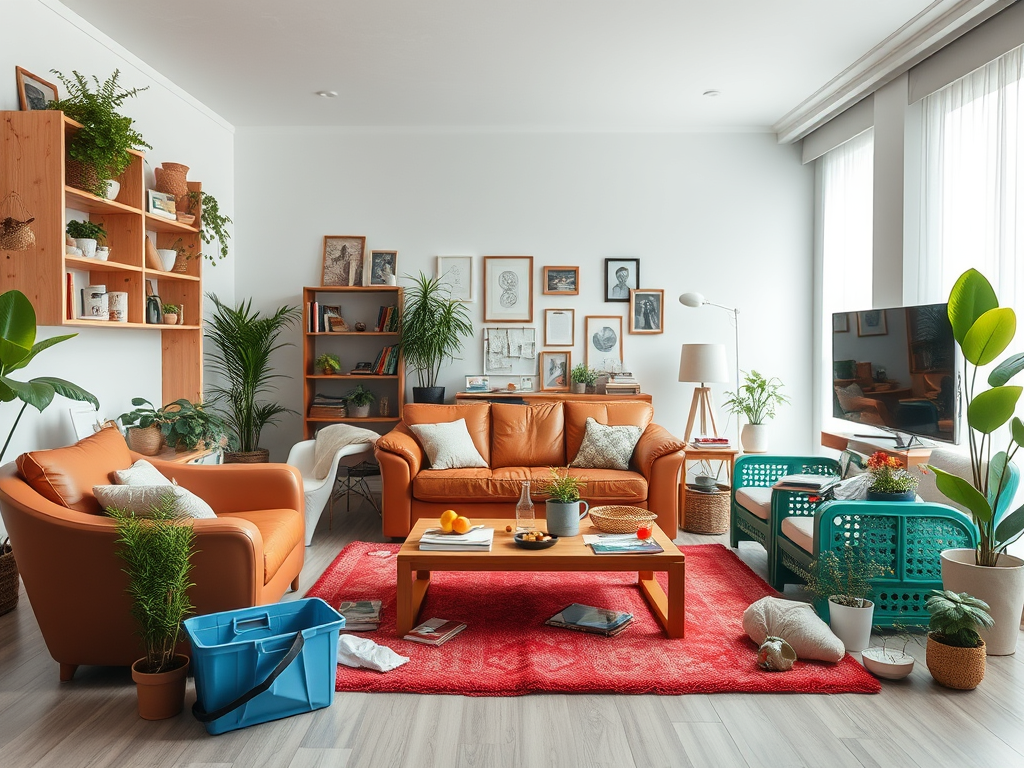
Creating an eco-friendly minimalist home isn’t just about reducing clutter or choosing a neutral color palette; it’s also about being mindful of the materials and products we bring into our living spaces. Many seemingly harmless home decor items can harm the environment and compromise your health. By avoiding certain products and opting for sustainable alternatives, you can craft a home that’s both beautiful and kind to the planet.
In this guide, we’ll explore 10 products and materials to avoid and offer practical, eco-conscious alternatives to align your home with sustainable living principles.
Why Avoid Certain Products in Your Minimalist Home?
When designing a minimalist home, the goal is to create a space that feels clean, intentional, and clutter-free. However, many mainstream home decor products contradict the principles of sustainability. For example:
- Non-biodegradable materials like plastic stay in landfills for centuries.
- Toxic chemicals in paints, finishes, and cleaning products release harmful pollutants into your home.
- Short-lived trends encourage wastefulness rather than long-term, thoughtful consumption.
By choosing wisely, you’ll reduce your environmental footprint, enhance your indoor air quality, and save money in the long run. Let’s dive into the 10 items to avoid and explore eco-friendly alternatives.
1. Plastic and Vinyl-Based Furniture
Why Avoid Them?
Plastic and vinyl furniture might be cheap and lightweight, but they’re far from sustainable. These materials are derived from petroleum, making them non-biodegradable and energy-intensive to produce. Over time, plastic furniture also releases harmful chemicals into the air, especially when exposed to heat.
Eco-Friendly Alternatives:
- Solid Wood Furniture: Look for FSC-certified pieces made from sustainably harvested wood. Brands like West Elm and IKEA (sustainable collections) offer eco-friendly options.
- Rattan and Bamboo: Lightweight yet durable, these materials are biodegradable and renewable.


2. Conventional Paints and Finishes
Why Avoid Them?
Many paints and finishes contain volatile organic compounds (VOCs), which release harmful chemicals into the air, causing indoor air pollution and potential respiratory issues.
Eco-Friendly Alternatives:
- Low-VOC or Zero-VOC Paints: Brands like Benjamin Moore Natura and ECOS Paints offer safer options.
- Natural Limewash: This breathable, non-toxic finish creates a beautiful matte texture while being environmentally friendly.

3. Fast Furniture
Why Avoid It?
Fast furniture refers to cheaply made, mass-produced pieces designed to follow fleeting trends. While these items may look stylish, they’re often made from particleboard, plastic, or other unsustainable materials that don’t last. As a result, they frequently end up in landfills within a few years.
Eco-Friendly Alternatives:
- Invest in Timeless Designs: Choose high-quality furniture that will last decades. Brands like Joybird and Thuma focus on durability and sustainability.
- Thrift or Upcycle: Second-hand furniture is both budget- and eco-friendly.
4. Polyester and Synthetic Textiles
Why Avoid Them?
Synthetic fabrics like polyester, acrylic, and nylon are made from plastic and shed microplastics when washed. These tiny particles pollute waterways and harm marine life.
Eco-Friendly Alternatives:
- Organic Cotton: Free of harmful pesticides and incredibly soft.
- Hemp and Linen: Durable, breathable, and sustainably grown.
- Wool: A natural, biodegradable option for throws and rugs.

5. Plastic-Based Rugs and Carpets
Why Avoid Them?
Many rugs and carpets are made from synthetic fibers like nylon or polypropylene, which are treated with chemicals to improve stain resistance. These rugs contribute to indoor air pollution and are difficult to recycle.
Eco-Friendly Alternatives:
- Wool Rugs: Naturally flame-retardant and long-lasting.
- Jute and Sisal Rugs: Affordable, biodegradable, and perfect for minimalist aesthetics.


6. Single-Use Decor and Seasonal Items
Why Avoid Them?
Single-use decorations for holidays or events often use non-recyclable plastics and are discarded after one season. These items not only clutter your home but also add to environmental waste.
Eco-Friendly Alternatives:
- Versatile Decorations: Invest in timeless pieces like ceramic vases or woven baskets that can be styled year-round.
- DIY Holiday Decor: Use natural materials like dried orange slices, pinecones, or eucalyptus.


7. Incandescent Light Bulbs and Plastic Fixtures
Why Avoid Them?
Incandescent bulbs consume more energy than LEDs, while plastic-heavy lighting fixtures are not durable or recyclable.
Eco-Friendly Alternatives:
- LED Bulbs: These last longer and use significantly less energy.
- Sustainable Fixtures: Look for fixtures made from recycled metal or wood. Brands like Etsy artisans offer handmade, eco-friendly designs.


8. Harsh Chemical Cleaning Products
Why Avoid Them?
Many commercial cleaning products are packed with harsh chemicals like ammonia and bleach. These substances not only pollute waterways but can also cause skin irritation and respiratory problems.
Eco-Friendly Alternatives:
- DIY Cleaners: A mix of vinegar, baking soda, and essential oils works wonders.
- Eco-Friendly Brands: Try products from Seventh Generation, Blue Land or Ecover.

9. Trendy, Low-Quality Home Accessories
Why Avoid Them?
Trendy decor items are often poorly made, lack longevity, and quickly go out of style. They contribute to wastefulness and undermine the minimalist principle of intentionality.
Eco-Friendly Alternatives:
- Timeless Pieces: Choose decor with sentimental or lasting value, like handmade pottery or locally sourced art.
- Natural Materials: Opt for stone, wood, or ceramic over plastic.
10. Over-Decorating and Over-Buying
Why Avoid Them?
Even the most eco-friendly items lose their sustainability if purchased in excess. Over-decorating adds clutter and undermines the minimalist principle of “less is more.“
Eco-Friendly Alternatives:
- Quality Over Quantity: Focus on functional pieces that add both beauty and utility.
- Intentional Shopping: Wait 30 days before buying decor to ensure you truly need it.

Conclusion: Embrace Intentional Eco-Friendly Minimalism
Transforming your home into an eco-friendly minimalist haven starts with mindful choices. By avoiding these products and materials and embracing sustainable alternatives, you’ll create a healthier, more intentional living space that respects both the environment and your well-being.
Take it one step at a time—start with small changes, like swapping out plastic decor for natural materials or switching to LED lighting. Each thoughtful choice you make contributes to a greener future.
Are you ready to embrace the balance of sustainability and simplicity? Let your home reflect your values while inspiring others to do the same.
Summary: Key Takeaways for an Eco-Friendly Minimalist Home
Creating an eco-friendly minimalist home involves more than just decluttering—it’s about making conscious choices about the materials and products you bring into your space. To reduce your environmental impact, avoid synthetic materials, toxic paints, fast furniture, and single-use decor items. Instead, opt for sustainable alternatives like natural wood, low-VOC paints, organic textiles, and eco-friendly cleaning products. By embracing intentional shopping and timeless decor, you can build a space that’s both beautiful and kind to the planet. Small changes can make a big difference in creating a sustainable, minimalist home.
Frequently Asked Questions (FAQ)
1. What are the best alternatives to plastic furniture?
Instead of plastic furniture, opt for solid wood or bamboo pieces. These materials are renewable, durable, and biodegradable, making them eco-friendly options that also add warmth to your minimalist home.
2. How can I reduce indoor pollution in my home?
To reduce indoor pollution, avoid VOCs found in traditional paints, varnishes, and furniture. Choose low-VOC or zero-VOC paints and natural finishes. Additionally, replace synthetic textiles with organic cotton, linen, or wool.
3. Is it necessary to buy new furniture for an eco-friendly minimalist home?
Not at all! Embrace second-hand furniture, thrift shopping, or upcycling to find quality, durable items that align with eco-friendly principles. Buying less and reusing existing furniture reduces waste and helps conserve resources.
4. What are some eco-friendly decor options?
Focus on decor made from natural materials such as ceramics, stone, or wood. Handmade pottery, woven baskets, and dried flowers are great options that add personality without harming the environment.
5. How can I make my home more sustainable without spending too much money?
To make your home sustainable on a budget, start by swapping out disposable items for reusable alternatives (e.g., glass containers, cloth napkins) and DIY cleaning products. Purchase quality items that will last, and choose second-hand furniture to reduce waste.
Source link


.jpg)


![Paper Hand Towel [1 Roll] Natural Brown [8″ x 350 ft] 1 Ply Hardwound Universal 100% Recycled Fiber Compatible with Tork Dispensers Restrooms Kitchen (Natural, 8″ x 350 ft)](https://ecologicnomad.com/wp-content/uploads/2025/09/813WUdzUiWL._AC_SL1500_-300x300.jpg "Paper Hand Towel [1 Roll] Natural Brown [8″ x 350 ft] 1 Ply Hardwound Universal 100% Recycled Fiber Compatible with Tork Dispensers Restrooms Kitchen (Natural, 8″ x 350 ft)")